How dogs adjust to boarding is a common concern for pet parents, especially when boarding is new. Dogs experience change differently, and it is normal for them to go through an adjustment period. Understanding the typical timeline and behavior changes helps you prepare your dog and set realistic expectations for their stay.
This guide explains how dogs usually adjust to boarding and what behaviors you may notice along the way.
How Dogs Adjust to Boarding in the First 24 Hours
The first day of boarding is usually the most challenging. Dogs are entering a new environment with unfamiliar smells, sounds, and routines. Some dogs may appear quiet or cautious, while others may seem overly excited.
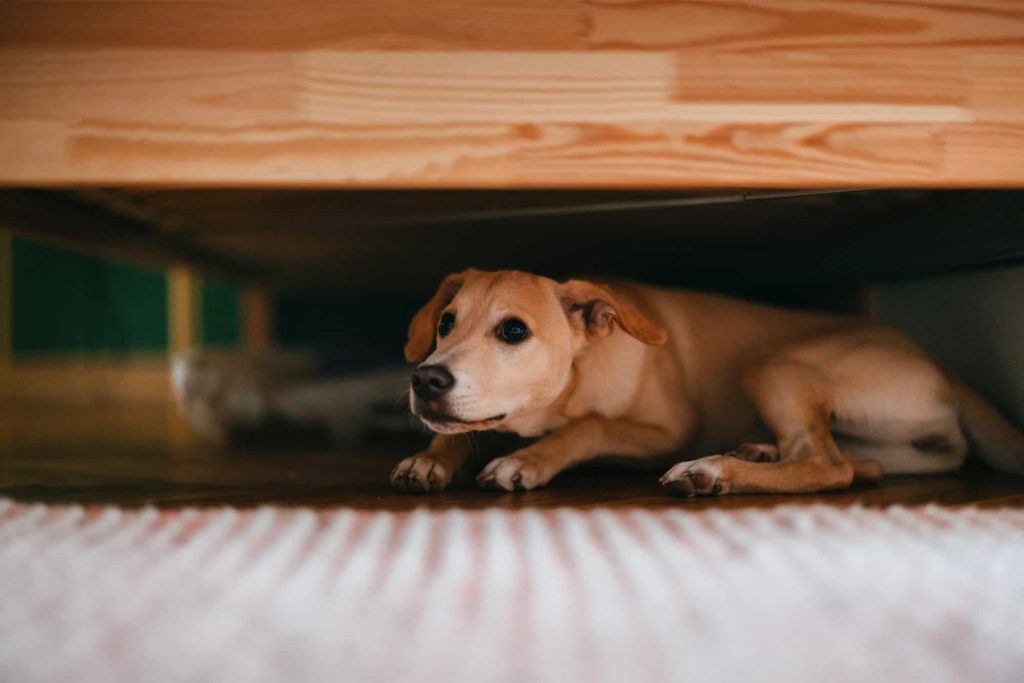
During this phase, mild signs of stress are normal. These can include reduced appetite, pacing, or seeking reassurance from staff. Most dogs begin to relax once they realize their basic needs are being met.
How Dogs Adjust to Boarding After the First Few Days
By the second or third day, many dogs start to settle in. They become more familiar with the environment, routines, and caregivers. This is when you may see positive changes in behavior.
Dogs often begin eating more normally, sleeping better, and engaging in playtime. Social dogs may start forming bonds with other dogs, while quieter dogs may prefer resting and observing.
Common Behavior Changes During Boarding Adjustment
Understanding behavior changes helps pet parents feel more confident during the boarding period. Some common changes include temporary clinginess, increased alertness, or changes in sleep patterns.
These behaviors usually fade as dogs grow more comfortable. Adjusting does not mean your dog is unhappy, it simply means they are adapting to a new situation.
How Dogs Adjust to Boarding Through Routine and Structure
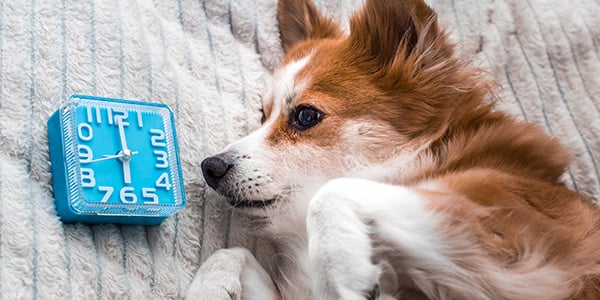
Routine plays a major role in how dogs adjust to boarding. Predictable schedules for feeding, playtime, and rest help dogs feel safe and secure.
When dogs know what to expect, their anxiety decreases. Structured routines allow dogs to relax and focus on enjoying their environment instead of feeling uncertain.
Social Interaction and Adjustment
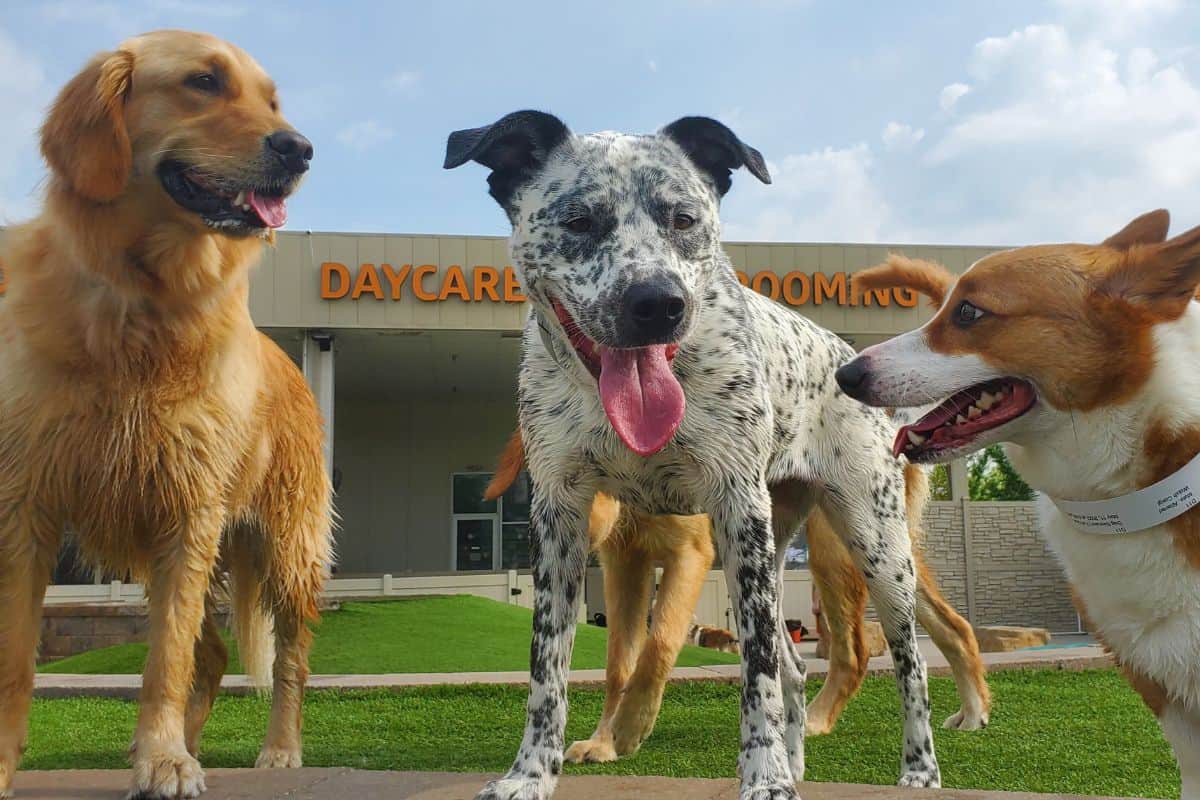
Social interaction can either help or challenge the adjustment process depending on the dog. Friendly dogs often adjust faster because they enjoy interacting with other dogs and staff.
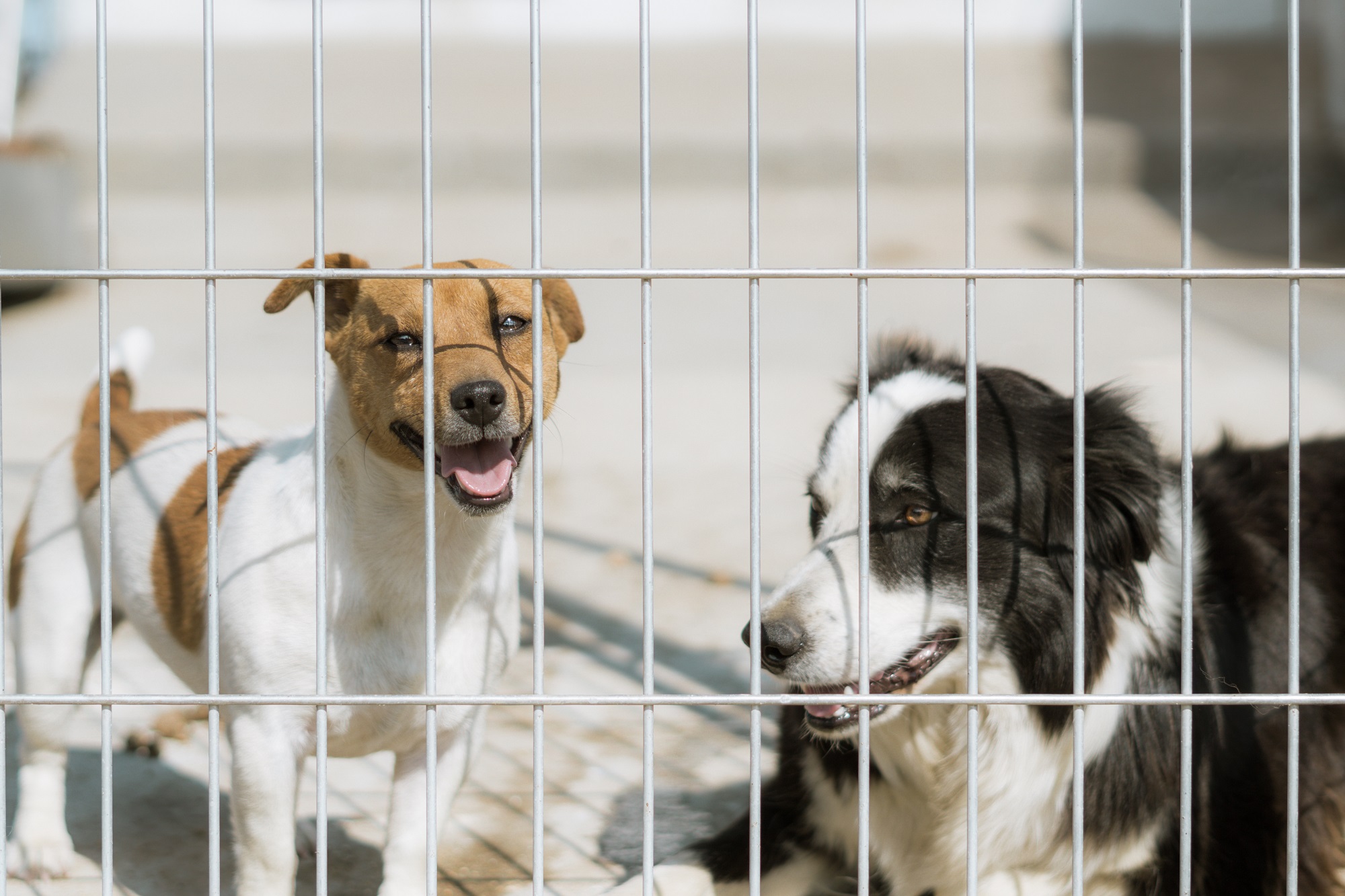
Dogs that prefer solitude may take longer to adjust but can still settle well with proper care and quiet spaces. Good boarding facilities respect individual preferences and avoid forcing interaction.
How Dogs Adjust to Boarding with Familiar Items
Familiar items can greatly support adjustment. Bringing your dog’s own food, bedding, or a favorite toy provides comfort and a sense of familiarity.
These items carry familiar scents that help reduce stress and make the boarding environment feel less overwhelming.
Signs Your Dog Is Adjusting Well to Boarding
Positive signs of adjustment include normal eating habits, relaxed body language, interest in surroundings, and balanced energy levels. Dogs that are adjusting well often follow routines and respond calmly to staff.
Not all dogs adjust at the same pace, so progress may look different for each dog.
Signs Your Dog Needs Extra Support During Boarding
Some dogs may need extra time and reassurance. Signs that your dog may need additional support include prolonged refusal to eat, excessive vocalization, withdrawal, or constant pacing.
In such cases, gentle handling, extra rest time, and personalized care can help ease the adjustment process.
How Dogs Adjust to Boarding After Returning Home
Adjustment does not end when boarding does. Some dogs may appear tired or quiet after returning home, while others may seek extra attention.
This behavior is usually temporary. Returning to a familiar routine at home helps dogs settle quickly and feel secure again.
How Pet Parents Can Help with the Adjustment Process
Preparation is key. Introducing your dog to short daycare visits before overnight boarding helps them become familiar with the environment. Keeping goodbyes calm and confident also reassures your dog.
Clear communication with boarding staff about your dog’s habits, preferences, and needs allows for smoother care.
Final Thoughts on How Dogs Adjust to Boarding
Understanding how dogs adjust to boarding helps reduce anxiety for both dogs and pet parents. Adjustment is a process, and most dogs adapt well when given time, structure, and proper care.
By choosing the right boarding environment and preparing your dog thoughtfully, you can ensure a positive and comfortable boarding experience.