Becoming a dog parent is exciting, but grooming often feels confusing at first. Many new owners think grooming is only about looks, but it actually plays a key role in your dog’s health and comfort. This guide to dog grooming for beginners explains everything in a simple, stress-free way.
What Is Dog Grooming?
Dog grooming refers to the regular care of your dog’s coat, skin, nails, and ears. A proper grooming routine includes brushing, bathing, nail trimming, and basic hygiene checks. Grooming keeps your dog clean and helps prevent common health problems.
Why Dog Grooming for Beginners Is So Important
Understanding dog grooming for beginners is essential because early habits shape your dog’s long-term health and behavior.
Keeps Skin and Coat Healthy
Brushing removes dirt and loose hair that can cause irritation or matting. It also improves blood circulation and keeps the coat shiny.
Helps Detect Health Problems Early
Regular grooming allows you to spot skin infections, parasites, lumps, or unusual odors before they become serious.
Improves Comfort and Movement
Overgrown nails and dirty ears can cause discomfort. Grooming helps your dog move freely and feel more relaxed.
Dog Grooming for Beginners: How Often Should You Groom Your Dog?
A common beginner question is how often grooming should be done. The answer depends on coat type and lifestyle.
Short-Coat Dogs
Short-haired dogs usually need brushing once a week and bathing every 4 to 6 weeks.
Medium to Long-Coat Dogs
These dogs need brushing several times a week to prevent mats. Professional grooming every 4 to 8 weeks is recommended.
Active or Outdoor Dogs
Dogs that spend a lot of time outdoors may require more frequent grooming due to dirt and exposure to parasites.
Dog Grooming for Beginners: Basic Grooming Tasks You Should Know
For anyone learning dog grooming for beginners, these are the most important tasks to master.
Brushing
Use a brush designed for your dog’s coat type. Brushing removes loose fur and reduces shedding.
Bathing
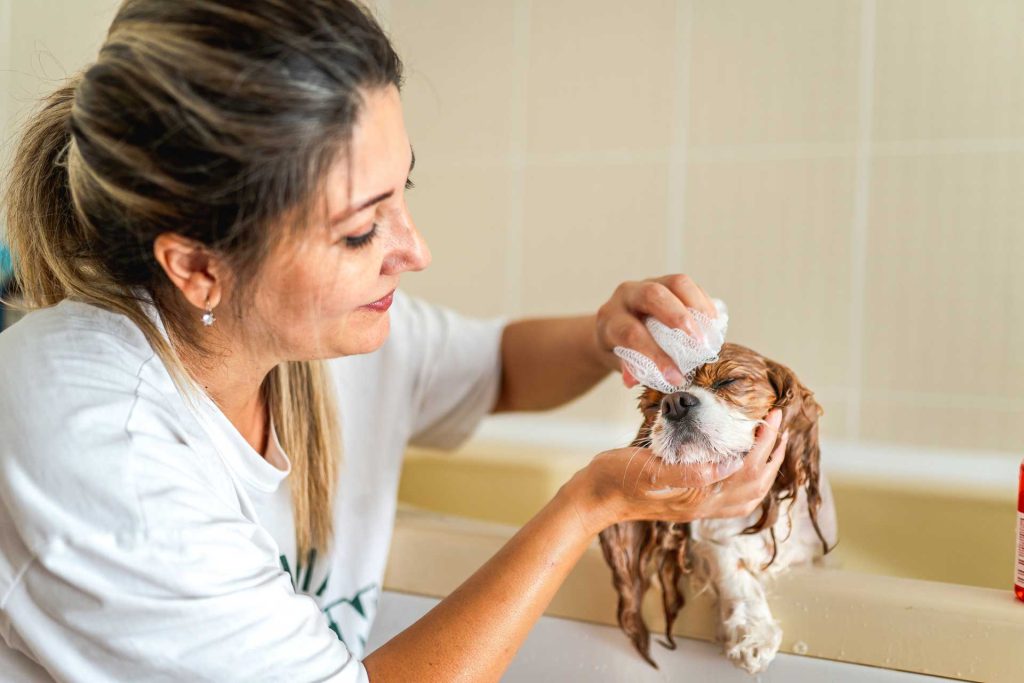
Always use dog-specific shampoo. Human products can dry out your dog’s skin and cause irritation.
Nail Trimming
If your dog’s nails touch the floor or make clicking sounds, they need trimming. Long nails can affect posture.
Ear Cleaning
Clean ears help prevent infections. Use a vet-approved ear cleaner and never push tools deep into the ear canal.
Dog Grooming for Beginners: Home Grooming vs Professional Grooming
Many beginners wonder whether home grooming is enough.
Home Grooming
Home grooming works well for brushing, light bathing, and regular health checks. It also helps build trust with your dog.
Professional Grooming
Professional groomers handle nail trimming, coat styling, and nervous dogs safely. They use proper tools and techniques to reduce stress.
Combining home care with professional grooming is ideal for most first-time dog owners.
Signs Your Dog Needs Grooming
Even beginners can recognize these signs:
- Tangled or matted fur
- Strong odor
- Excessive scratching
- Long nails
- Dirty or red ears
Ignoring these signs can lead to discomfort or infections.
Tips to Make Dog Grooming Easier for Beginners
- Start grooming routines early
- Keep sessions short and calm
- Reward your dog with praise or treats
- Stop if your dog becomes stressed
Positive experiences make grooming easier over time.
Final Thoughts on Dog Grooming for Beginners
Learning dog grooming for beginners does not need to be overwhelming. With a simple routine and consistent care, you can keep your dog clean, comfortable, and healthy.
Whether you groom at home or use professional services, regular grooming improves your dog’s quality of life and strengthens your bond.