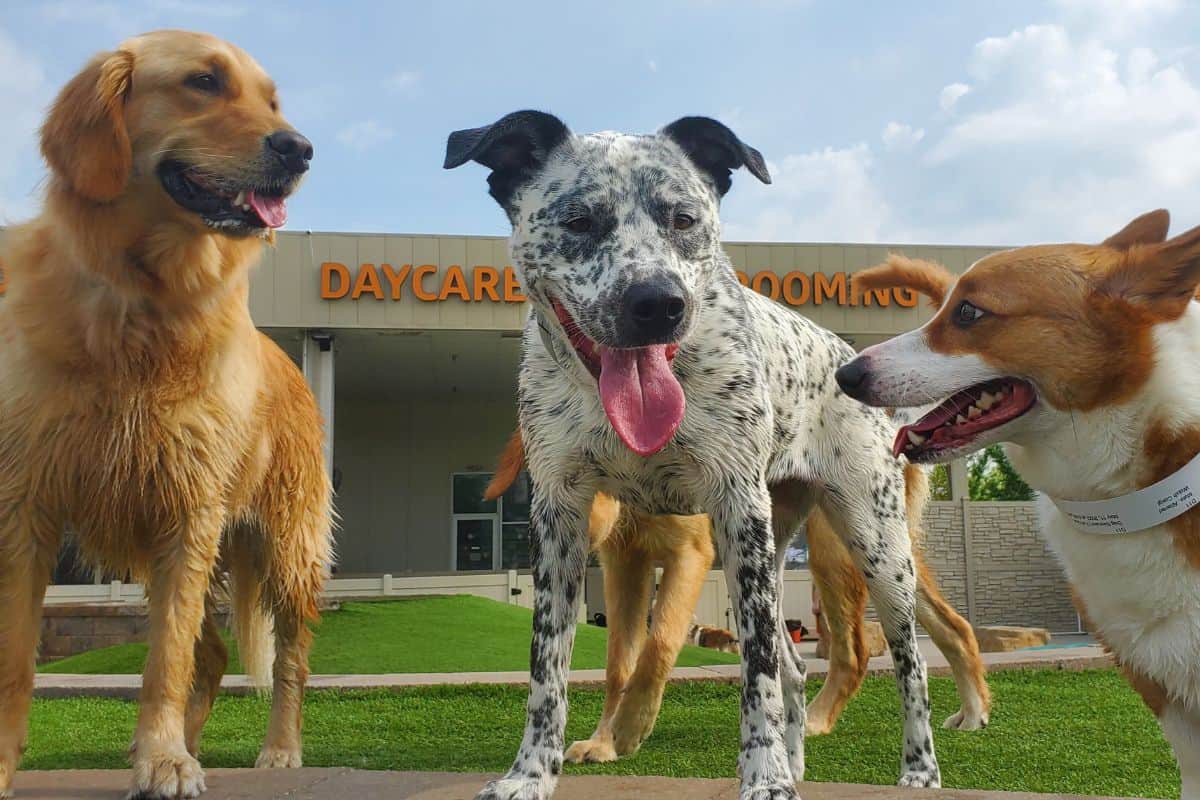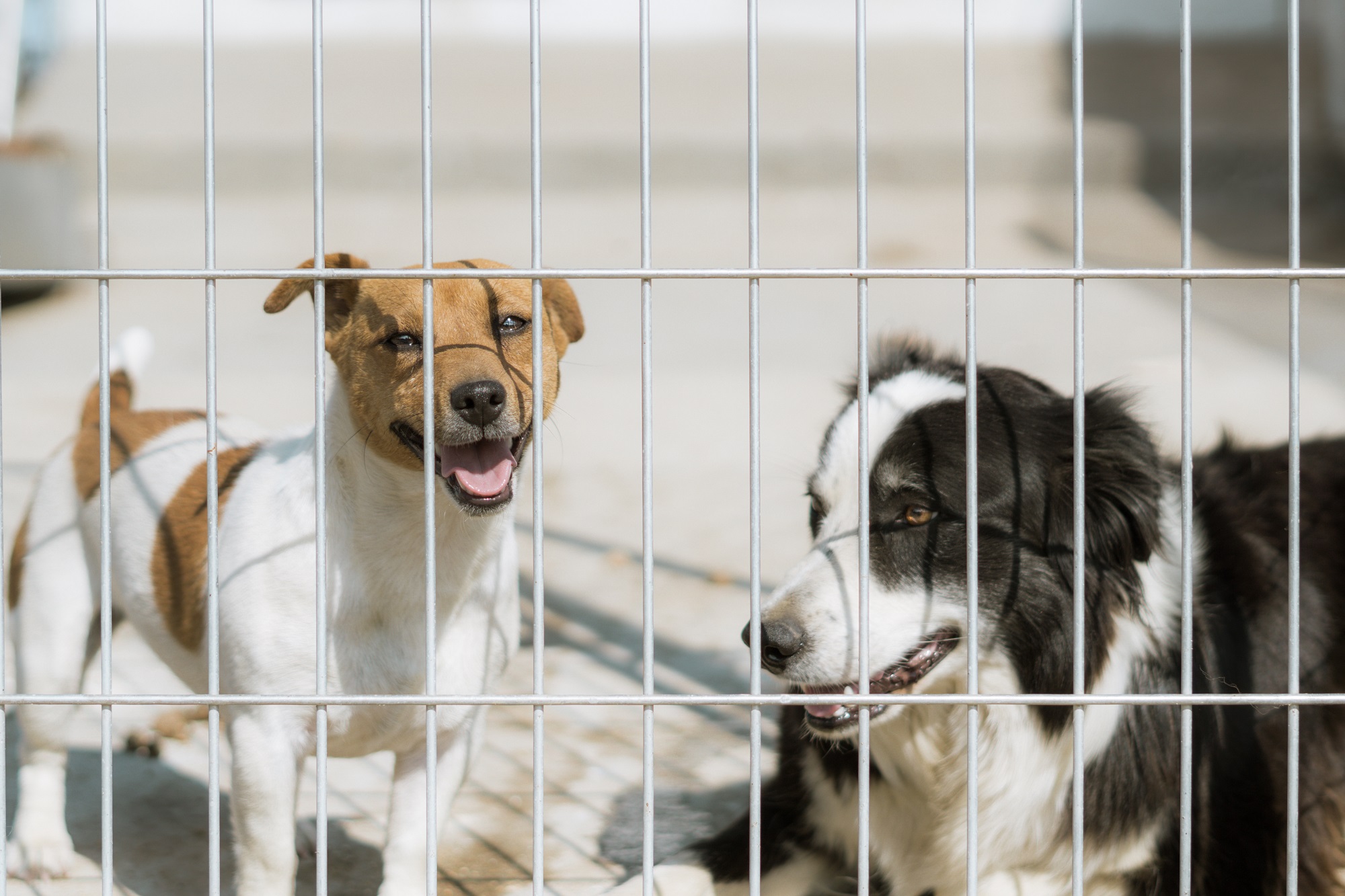
Why dogs thrive better in supervised care environments is an important topic for pet parents choosing between different care options. Dogs are social animals that rely on structure, attention, and safety to feel secure. Supervised care environments provide consistent monitoring, routine, and interaction that many dogs need to truly thrive.
Understanding the benefits of supervised care helps pet parents make informed decisions about their dog’s well-being.
Why Dogs Thrive Better in Supervised Care Environments with Constant Monitoring
One of the biggest advantages of supervised care environments is constant monitoring. Trained staff observe dogs throughout the day, ensuring their behavior, comfort, and health are checked regularly.
This level of attention allows potential issues to be addressed early. Changes in appetite, mood, or energy are noticed quickly, helping prevent small problems from becoming serious.
Safety Is a Key Reason Dogs Thrive Better in Supervised Care Environments
Safety plays a major role in a dog’s ability to relax and thrive. Supervised care environments are designed to reduce risks through secure spaces, controlled interactions, and clear routines.
Dogs are grouped thoughtfully based on size, temperament, and energy level. This reduces stress and prevents conflicts, creating a calm and secure environment.
Why Dogs Thrive Better in Supervised Care Environments with Structure
Dogs feel most comfortable when their day has structure. Supervised care environments follow consistent routines for feeding, playtime, rest, and enrichment.
Predictable schedules help dogs understand what to expect. This reduces anxiety and allows dogs to focus on enjoying their environment rather than feeling uncertain.
Supervised Social Interaction Supports Emotional Health
Social interaction is important, but it must be managed properly. Supervised care environments provide controlled social experiences that support emotional balance.
Dogs learn appropriate play behavior, communication cues, and boundaries under guidance. This helps prevent overstimulation and supports healthy social development.
Why Dogs Thrive Better in Supervised Care Environments Than Alone at Home
Dogs left alone for long periods may experience boredom, loneliness, or anxiety. Supervised care environments provide companionship and engagement throughout the day.
Regular interaction with caregivers and other dogs keeps dogs mentally stimulated and emotionally satisfied. Dogs that receive consistent attention are often calmer and more content.
Mental Stimulation and Enrichment
Supervised care environments offer mental enrichment that goes beyond basic care. Activities such as interactive play, training exercises, and problem-solving games keep dogs engaged.
Mental stimulation prevents boredom-related behaviors and supports cognitive health. A stimulated mind contributes to a balanced and happy dog.
Why Dogs Thrive Better in Supervised Care Environments Through Individual Attention
Although dogs may be in group settings, supervised care environments still provide individual attention. Caregivers observe each dog’s needs and adjust care accordingly.
Dogs that need extra rest, reassurance, or space receive personalized support. Individual attention helps dogs feel understood and valued.
Reduced Stress and Anxiety
Supervised care environments are designed to reduce stress. Calm handling, structured routines, and attentive monitoring create a sense of security.
Dogs that feel safe are less likely to show anxiety-related behaviors. Over time, consistent care helps dogs build confidence and emotional stability.
Health Monitoring and Preventive Care
Health monitoring is another reason dogs thrive better in supervised care environments. Caregivers can spot early signs of discomfort, injury, or illness.
Regular observation supports preventive care and ensures dogs receive timely attention when needed. This proactive approach contributes to long-term health.
Why Dogs Thrive Better in Supervised Care Environments During Life Changes
Life changes such as travel, work schedule shifts, or home renovations can disrupt a dog’s routine. Supervised care environments provide stability during these transitions.
Familiar routines and attentive care help dogs adapt more easily to change, reducing stress during uncertain periods.
Choosing the Right Supervised Care Environment
Not all care environments are the same. Choosing a place with trained staff, structured routines, and a calm atmosphere is essential.
A quality supervised care environment prioritizes safety, comfort, and emotional well-being, allowing dogs to thrive.
Final Thoughts on Why Dogs Thrive Better in Supervised Care Environments
Understanding why dogs thrive better in supervised care environments highlights the importance of structure, attention, and safety. Supervised care offers consistent monitoring, social balance, mental stimulation, and emotional support.
When dogs feel secure and engaged, they are happier, healthier, and more confident. Choosing the right supervised care environment can make a meaningful difference in your dog’s quality of life.