Stress signs in dogs are often subtle and easily overlooked. Unlike humans, dogs cannot explain when they feel anxious or overwhelmed. Instead, they show stress through behavior changes, body language, and habits. Recognizing these signs early and providing proper care can significantly reduce anxiety and improve your dog’s quality of life.
Understanding stress signs in dogs helps pet parents respond with empathy and effective care.
Stress Signs in Dogs: Common Behavioral Changes
One of the clearest stress signs in dogs is a change in behavior. Dogs under stress may become withdrawn, restless, or unusually clingy.
Some dogs may bark excessively, pace around the house, or struggle to settle. Others may lose interest in play or show reduced appetite. These changes are often your dog’s way of communicating discomfort or anxiety.
Physical Stress Signs in Dogs
Stress does not only affect behavior. It also shows physically. Common physical stress signs in dogs include excessive panting, trembling, yawning, or drooling when not related to heat or exercise.
Changes in posture such as lowered ears, tucked tails, or avoiding eye contact may also indicate anxiety. Paying attention to these signs helps you intervene early.
Stress Signs in Dogs During Daily Routines
Dogs experiencing stress may react strongly to everyday situations. This can include fear during grooming, resistance to walks, or anxiety when left alone.
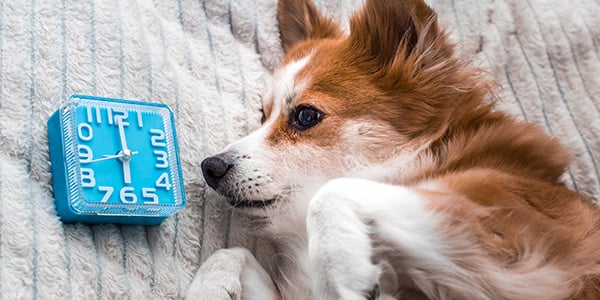
Changes in sleep patterns are also common. Some dogs may sleep more than usual, while others struggle to rest due to heightened alertness.
How Proper Care Helps Reduce Stress in Dogs
Proper care plays a crucial role in reducing anxiety. Dogs feel safer when their needs are consistently met through routine, attention, and comfort.
Providing structured daily routines helps dogs understand what to expect. Predictability reduces uncertainty, which is a major source of stress.
Stress Signs in Dogs and the Importance of Physical Activity
Physical activity helps release built-up tension. Dogs that do not get enough exercise often display stress-related behaviors.
Regular walks, playtime, and enrichment activities allow dogs to channel energy in healthy ways. Exercise supports both mental and emotional balance.
How Grooming Can Reduce Stress Signs in Dogs
Regular grooming contributes to comfort and relaxation. Dogs with matted fur, overgrown nails, or dirty ears may feel constant discomfort that increases anxiety.
Gentle grooming routines help dogs feel clean and physically at ease. Grooming also familiarizes dogs with handling, reducing fear during care routines.
Stress Signs in Dogs and Social Interaction
Lack of social interaction or overwhelming social exposure can both cause stress. Dogs need balanced social experiences based on their personality.
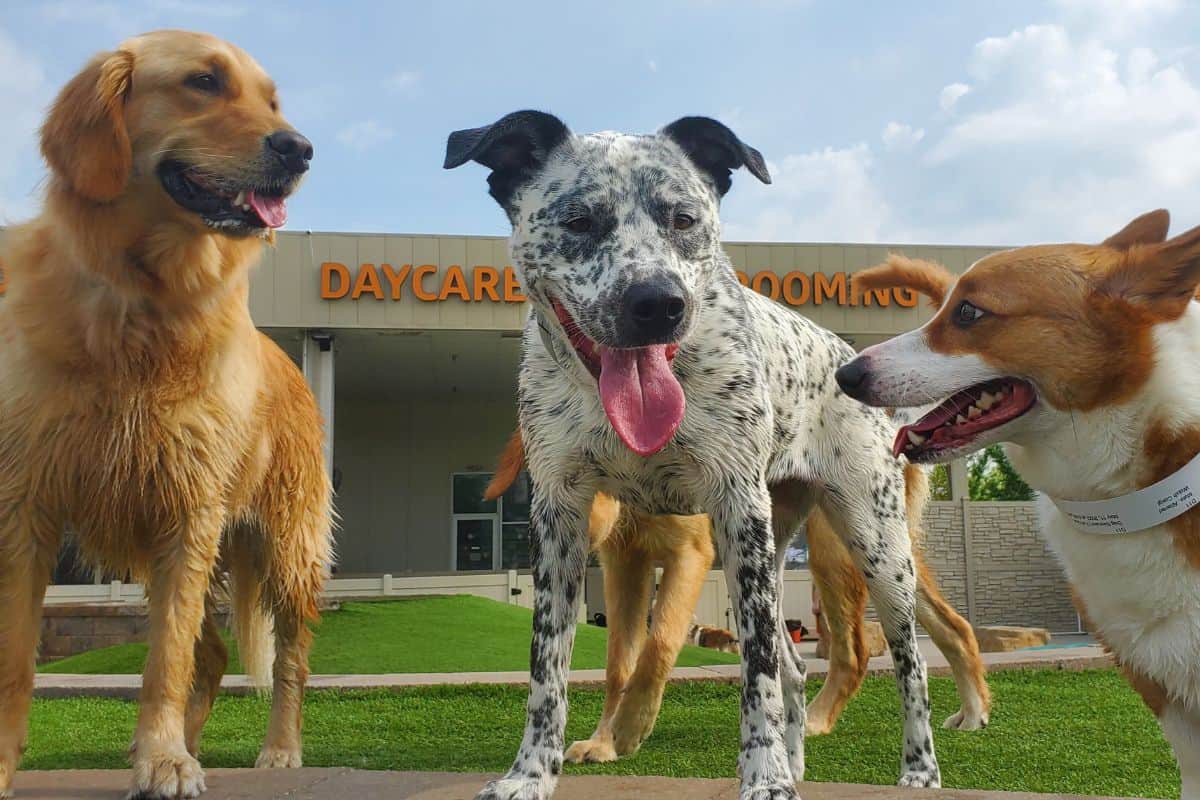
Proper care includes controlled social interaction where dogs feel safe. Calm socialization helps dogs build confidence and reduces fear-based behaviors.
Creating a Calm Environment at Home
A calm environment is essential for reducing stress. Loud noises, chaotic routines, or sudden changes can increase anxiety.
Providing a quiet space where your dog can retreat helps them feel secure. Comfortable bedding, familiar items, and consistent boundaries support emotional stability.
Stress Signs in Dogs and Mental Stimulation
Mental stimulation helps prevent stress caused by boredom. Dogs that lack mental engagement may develop anxiety-related behaviors.
Puzzle toys, training exercises, and enrichment activities keep the mind active and reduce frustration. Mental stimulation complements physical exercise in stress management.
When Stress Signs in Dogs Require Extra Support
Some stress signs may persist despite good care. Prolonged anxiety, extreme fear, or sudden behavior changes may require professional guidance.
Early intervention prevents stress from escalating and supports long-term emotional health.
Final Thoughts on Stress Signs in Dogs and How Proper Care Can Reduce Anxiety
Understanding stress signs in dogs allows pet parents to respond with care rather than frustration. Stress is not a behavior problem, it is a signal that your dog needs support.
Proper care through routine, grooming, exercise, and a calm environment can significantly reduce anxiety. When dogs feel safe, understood, and cared for, they become calmer, happier, and more confident companions.