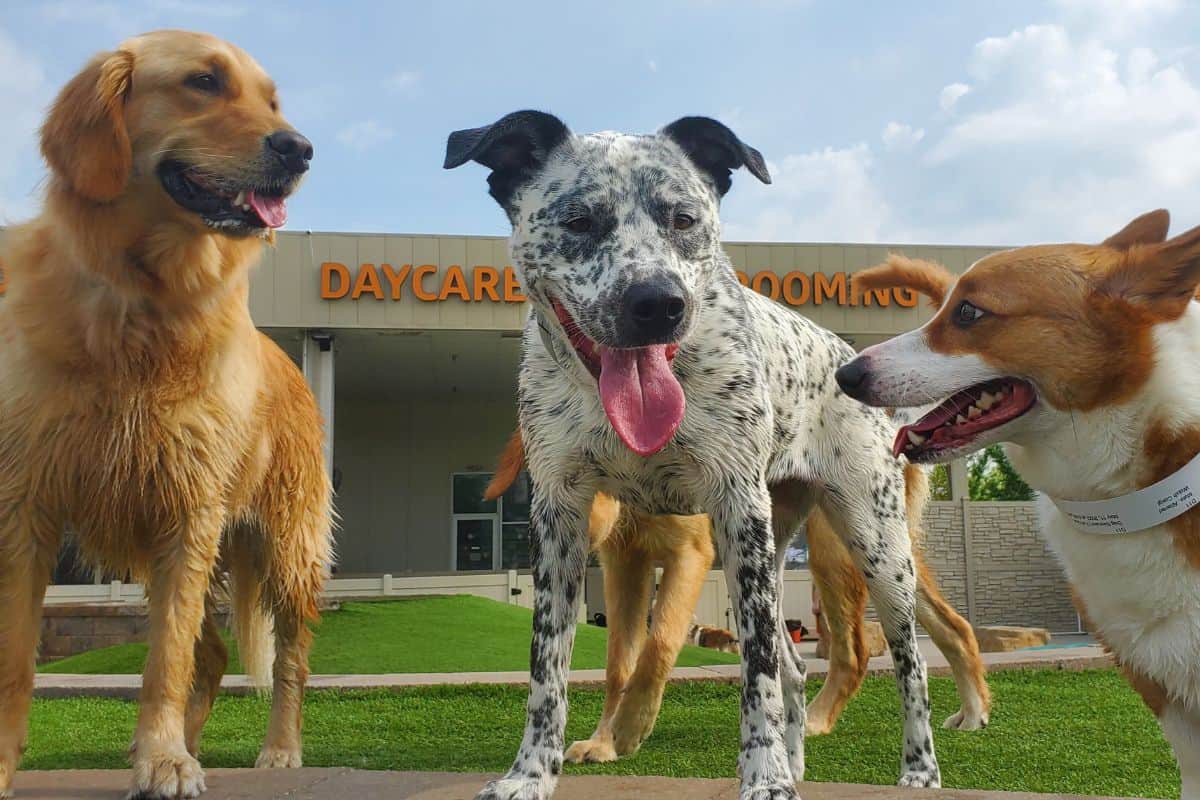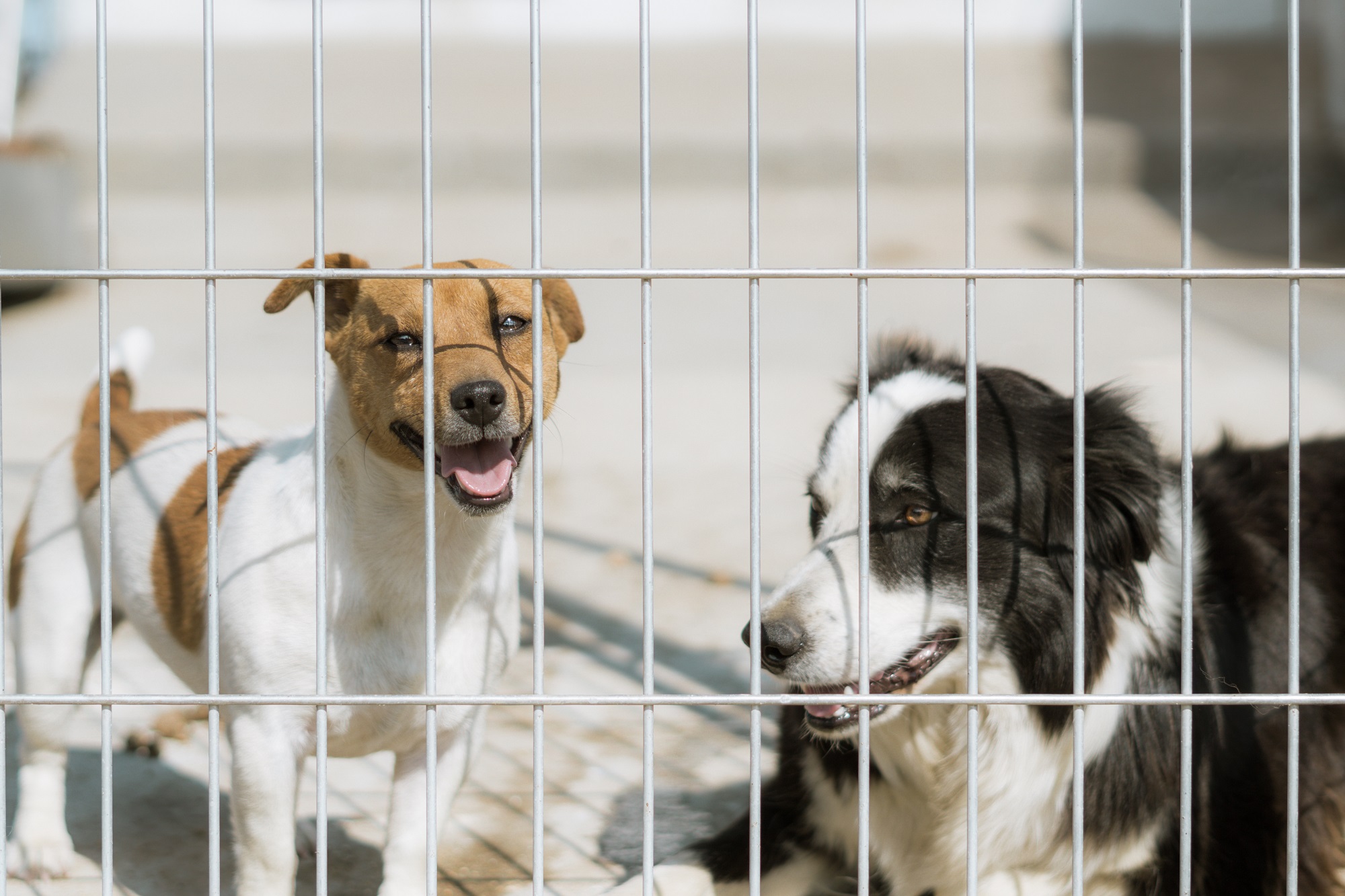
What makes a good dog boarding environment is a question every responsible pet parent should ask before leaving their dog in someone else’s care. A boarding environment plays a huge role in how safe, relaxed, and happy your dog feels during their stay. Even well-intentioned facilities can fall short if the environment is not designed with dogs’ physical and emotional needs in mind.
Understanding what to look for helps you choose a boarding place where your dog can feel comfortable and secure.
What Makes a Good Dog Boarding Environment for Comfort and Safety
A good dog boarding environment prioritizes comfort and safety at all times. Dogs should have clean, secure spaces where they can rest without stress. Sleeping areas should be well-ventilated, protected from extreme temperatures, and suitable for the dog’s size and breed.
Safety features such as secure gates, controlled access areas, and supervised zones are essential. These elements prevent accidents and help dogs feel protected in an unfamiliar environment.
Cleanliness and Hygiene Standards
Cleanliness is one of the most important factors in a good dog boarding environment. Dogs spend a lot of time resting, eating, and playing in shared spaces, so hygiene must be maintained consistently.
Clean floors, fresh bedding, sanitized feeding areas, and regular waste removal reduce the risk of illness. A clean environment also helps keep dogs calm and comfortable throughout their stay.
Space and Layout Matter
A good dog boarding environment provides enough space for dogs to move, rest, and play without feeling crowded. Dogs need room to stretch, walk, and relax without constant stimulation.
Separate areas for play, feeding, and rest help create structure and prevent stress. Dogs that have clear boundaries between activity and rest are more likely to settle comfortably.
What Makes a Good Dog Boarding Environment for Social Interaction
Social interaction should always be managed carefully. A good boarding environment groups dogs based on size, temperament, and energy level. This prevents overwhelming interactions and reduces the risk of conflict.
Supervised playtime ensures dogs can socialize safely while staff monitor behavior and intervene when needed. Dogs that prefer quiet time should also have the option to rest without forced interaction.
Supervision and Staff Presence
Constant supervision is a key feature of a good dog boarding environment. Trained staff should be present to monitor dogs during playtime, rest periods, and feeding.
Staff members who understand dog behavior can recognize signs of stress, fatigue, or discomfort early. This allows them to respond quickly and adjust care when necessary.
Structured Daily Routine
Dogs thrive on routine. A good dog boarding environment follows a consistent daily schedule that includes feeding, playtime, rest, and grooming when needed.
Predictable routines help dogs feel secure and reduce anxiety. When dogs know what to expect, they are more likely to adapt quickly to the boarding environment.
Noise and Stress Management
Excessive noise can increase stress levels in dogs. A good boarding environment manages noise by separating high-energy play areas from resting zones.
Quiet spaces allow dogs to relax and recover, especially those that are shy or easily overwhelmed. Stress management is an important but often overlooked aspect of boarding quality.
Comfort Features That Improve the Boarding Experience
Comfort features such as soft bedding, temperature control, and proper lighting make a big difference. Dogs should feel relaxed and at ease in their surroundings.
Familiar items like personal blankets or toys can also help dogs feel more at home. A comfortable environment supports emotional well-being as much as physical health.
What Makes a Good Dog Boarding Environment for Health Monitoring
A quality boarding environment includes regular health checks. Staff should observe dogs daily for changes in appetite, behavior, or energy levels.
Early detection of issues allows for prompt care and prevents minor problems from becoming serious. Health monitoring is an essential part of responsible boarding.
Communication with Pet Parents
A good dog boarding environment values communication. Facilities should be open about routines, care methods, and any observations about your dog’s behavior.
Clear communication builds trust and gives pet parents peace of mind during their dog’s stay.
Final Thoughts on What Makes a Good Dog Boarding Environment
Understanding what makes a good dog boarding environment helps you choose a place where your dog will feel safe, calm, and cared for. The right environment combines cleanliness, supervision, structure, and comfort to support your dog’s physical and emotional needs.
By paying attention to these key factors, you can ensure your dog enjoys a positive boarding experience while you are away.